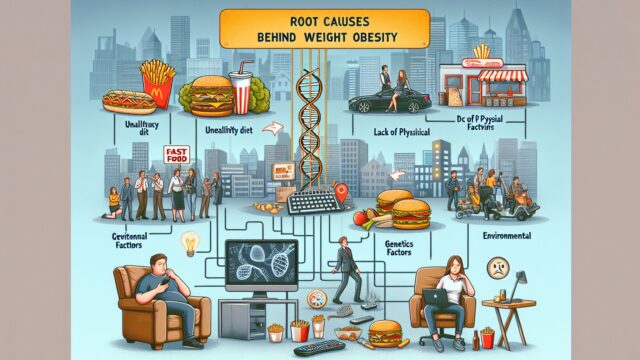
Obesity is a significant health issue affecting millions of people worldwide. Understanding the reasons behind weight gain can help individuals make informed choices. This article explores the primary causes of obesity, focusing on genetics, lifestyle, and environmental factors.
Genetic Factors
Genetics plays a vital role in a person’s weight. Specific genes influence how the body processes food and stores fat. For instance, certain genetic traits can increase the likelihood of gaining weight. If obesity runs in a family, your chances of becoming obese may be higher due to inherited traits.
Researchers have identified genes linked to obesity, such as the FTO gene. Individuals with certain variations of this gene may have a higher appetite and lower metabolic rate. Furthermore, genetic predisposition can affect how the body responds to exercise and diet. Understanding this connection can empower individuals to address their weight more effectively.
Lifestyle Choices
Lifestyle choices significantly impact weight gain. Here are some key factors:
Diet
The type of food consumed plays a major role in weight management. High-calorie, processed foods encourage weight gain. Sugary drinks and fast food can lead to excess calorie intake. In contrast, a balanced diet rich in fruits, vegetables, whole grains, and lean proteins can help maintain a healthy weight.
Overeating, even healthy foods, can also contribute to weight gain. Portion control is essential. Keeping a food diary can help track eating habits and identify areas for improvement.
Physical Activity
Physical activity is crucial for weight management. Regular exercise burns calories and builds muscle. A sedentary lifestyle, marked by limited physical activity, often leads to weight gain. Aim for at least 150 minutes of moderate-intensity exercise per week.
Incorporating simple activities into daily routines can promote weight loss. Walking, biking, or even standing while working can be beneficial. Finding enjoyable activities makes it easier to stay active.
Environmental Factors
The environment influences behavior and lifestyle choices. Several aspects of our surroundings can lead to weight gain. Here are a few:
Food Availability
The types of food available in a neighborhood can affect dietary choices. Areas with convenience stores may have limited access to fresh produce. Easy access to fast food often leads to unhealthy eating habits. Initiatives to increase the availability of healthy food options can help combat this issue.
Marketing and Advertising
Advertising promotes unhealthy food options. Children, in particular, may be influenced by colorful packaging and appealing advertisements. This marketing can lead to poor dietary choices, contributing to obesity.
Support for clear regulations on food marketing can improve public health. Limiting advertising for unhealthy foods aimed at children is a crucial step in promoting better eating habits.
Psychological Factors
Mental health is closely connected to weight. Emotional eating can lead to weight gain. People may turn to food for comfort during stressful times or emotional distress. Understanding the link between mood and eating is essential.
Professional help from therapists or counselors can address these issues. Cognitive behavioral therapy can offer strategies for managing emotional eating. Building coping skills can empower individuals to make healthier choices.
Socioeconomic Factors
Socioeconomic status can affect access to healthy foods and exercise opportunities. Individuals in lower-income brackets may find it challenging to afford nutritious foods. Fast food is often cheaper and more accessible, influencing dietary habits.
Education also plays a role in obesity rates. People with limited knowledge about nutrition and health may struggle to make informed choices. Programs aimed at increasing awareness can help combat obesity in underserved communities.
Community Support
Community initiatives focused on promoting health can make a difference. Local programs designed to encourage physical activity and healthy eating can provide essential support. Schools can play a crucial role by providing healthy meals and physical education.
Creating environments that foster healthy behaviors can lead to positive change. Community gardens, fitness programs, and healthy cooking classes can help individuals learn about nutrition and engage in physical activity.
Conclusion
Understanding the root causes of obesity is vital for effective weight management. Genetics, lifestyle, environmental factors, psychological issues, and socioeconomic status all contribute to weight gain. By recognizing these influences, individuals can make informed choices and take steps towards a healthier lifestyle.
Awareness and education are essential. Seeking advice from healthcare professionals, family, and community resources can empower individuals to tackle obesity. Small, positive changes can lead to significant results over time.
For more information on obesity trends and solutions, visit the World Obesity Federation. Together, we can work towards healthier communities and improved well-being.
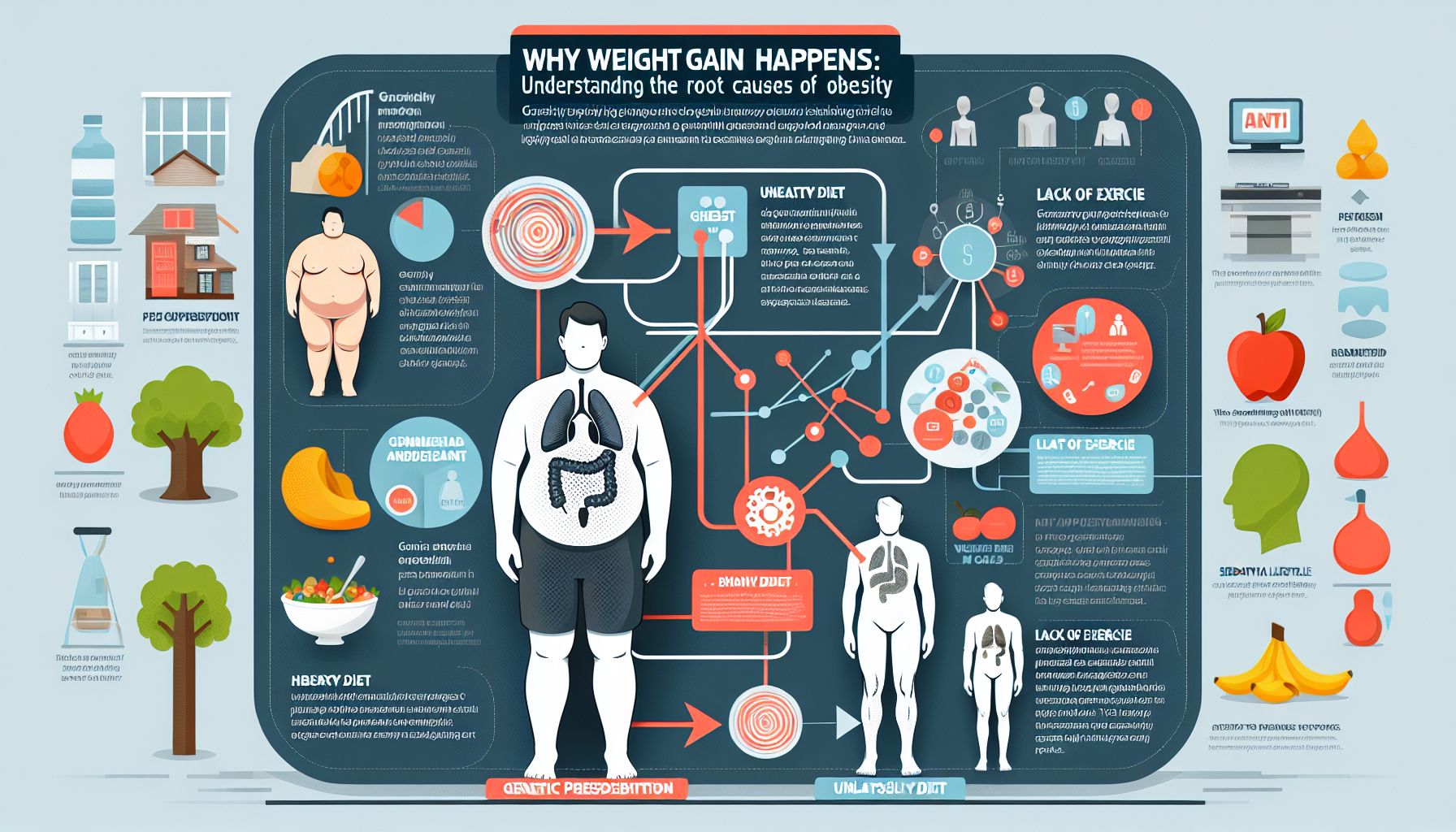
For additional resources on obesity and healthy lifestyle choices, consider checking out the following websites:
- Centers for Disease Control and Prevention (CDC)
- World Health Organization (WHO)
- National Institute of Diabetes and Digestive and Kidney Diseases
Taking a proactive approach to understanding obesity can lead to healthier choices and improved quality of life. Addressing these factors can help individuals combat weight gain and embrace healthier habits.