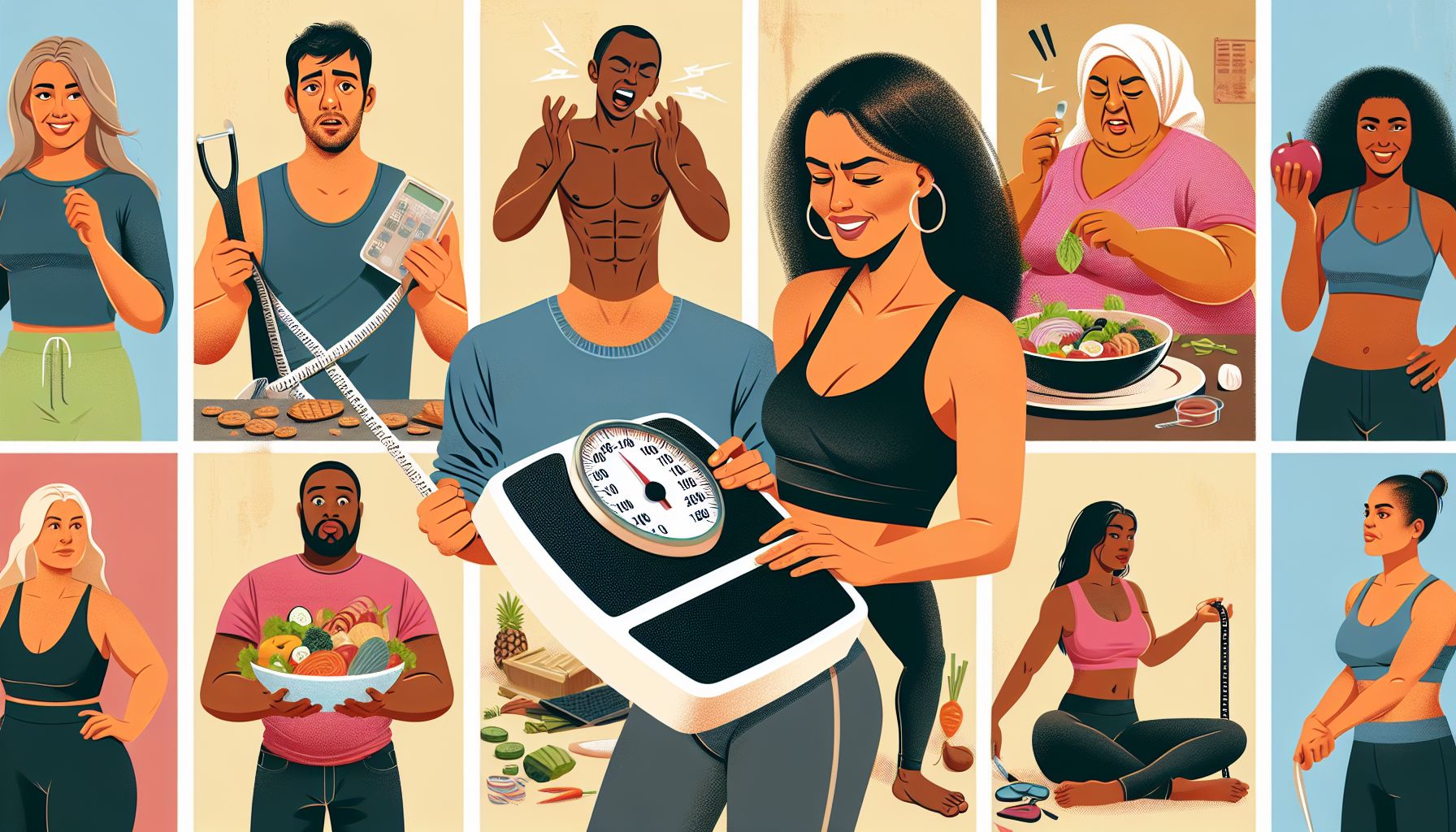
Losing weight seems simple: eat less, exercise more. However, many people struggle despite their best efforts. Understanding common misconceptions about weight loss and maintenance can help individuals achieve their goals effectively. This article will address these misconceptions and provide clear guidance on sustainable weight loss.
Weight Loss is a Short-Term Goal
Many people view weight loss as a temporary task. They follow strict diets to shed pounds quickly, but they often return to old habits afterward. This approach leads to the well-known cycle of yo-yo dieting.
Solution: Treat weight loss as a long-term lifestyle change. Focus on creating healthy habits that can last over time. Choose nutritious foods you enjoy and find physical activities that you like. This mindset will create lasting results instead of temporary ones.
All Calories are Created Equal
A common belief is that as long as you stay within a calorie limit, you can eat whatever you want. However, not all calories provide the same nutritional value. Foods high in sugar and fat may fit into your calorie goals but lack essential nutrients.
Solution: Prioritize nutrient-dense foods. Focus on whole grains, vegetables, lean proteins, and healthy fats. These foods will nourish your body and keep you satisfied longer, helping you stave off cravings.
Exercise is the Only Way to Lose Weight
Some people think exercise is the sole method to lose weight. While physical activity is crucial for health, diet plays a more significant role in weight loss. Exercising alone often does not lead to substantial weight loss if poor eating habits persist.
Solution: Combine diet and exercise for best results. Focus on your eating habits and include regular physical activity that you enjoy. This will lead to more sustainable weight loss over time.
Fad Diets Work
Fad diets often promote quick fixes or elimination of certain food groups. While they may show initial results, they are usually not sustainable. Most people regain the weight once they stop the diet.
Solution: Ignore fad diets. Instead, choose balanced eating patterns that include a variety of foods. Aim for moderation, not restriction. Consistency is key to long-term success.
Weight Loss Happens Uniformly
People often expect to lose weight evenly across their bodies. In reality, weight loss varies by person. Genetics and body composition influence where and how quickly weight is lost.
Solution: Focus on overall health instead of just the number on the scale. Track your progress through various means, such as improved energy levels, clothes fitting better, or increased stamina. This can keep you motivated even if the scale does not move as expected.
Skipping Meals is Effective
Some believe that skipping meals helps reduce calorie intake. However, this mindset often leads to hunger and overeating later. Skipping meals can also affect metabolism and energy levels.
Solution: Eat regular meals and snacks. This practice stabilizes blood sugar and prevents extreme hunger. Include protein and fiber in your meals to keep you feeling full longer.
Supplements Can Replace Healthy Eating
Many people think that weight loss supplements can replace a healthy diet. While some may have a potential benefit, they are not a substitute for balanced nutrition. Supplements can also have side effects.
Solution: Focus on getting nutrients from whole foods. They provide the necessary vitamins and minerals without the risks associated with supplements. If considering supplements, consult a healthcare professional first.
Emotional Eating is Not a Big Factor
Many people ignore emotional factors that influence eating habits. Stress, boredom, and sadness can lead to unhealthy eating patterns. These emotional triggers can significantly impact weight management.
Solution: Recognize emotional eating patterns. Keep a journal to identify triggers and create strategies to cope with emotions without turning to food. Seek support from friends or a therapist if needed.
Fast Results are Sustainable
Quick weight loss can create unrealistic expectations. Many people aim for rapid results, which can be harmful. Quick fixes may not teach sustainable eating habits.
Solution: Aim for slow and steady weight loss. Set realistic goals of 1 to 2 pounds per week. This approach helps build healthy habits and keeps motivation high.
Support is Not Important
Some people believe they can handle weight loss on their own. However, support can substantially impact success. Sharing goals with others creates accountability and encouragement.
Solution: Find a support system. This can be friends, family, or weight loss communities. Sharing your journey can motivate and inspire you to stay committed.
Conclusion
Weight loss is not a straightforward process. Misunderstandings can hinder progress and make weight management difficult. Focus on creating healthy habits, understanding your body’s needs, and seeking support. By shifting your mindset, you can achieve sustainable weight loss and maintain it over time.
Resources for Further Reading
For more information on tackling obesity and promoting healthy eating, check out these reliable resources:
- National Institute of Diabetes and Digestive and Kidney Diseases
- The Centers for Disease Control and Prevention – Healthy Weight
- Harvard T.H. Chan School of Public Health – The Nutrition Source
To understand the broader impacts of obesity and the necessary industry response, read the insights from the Kings Fund.