
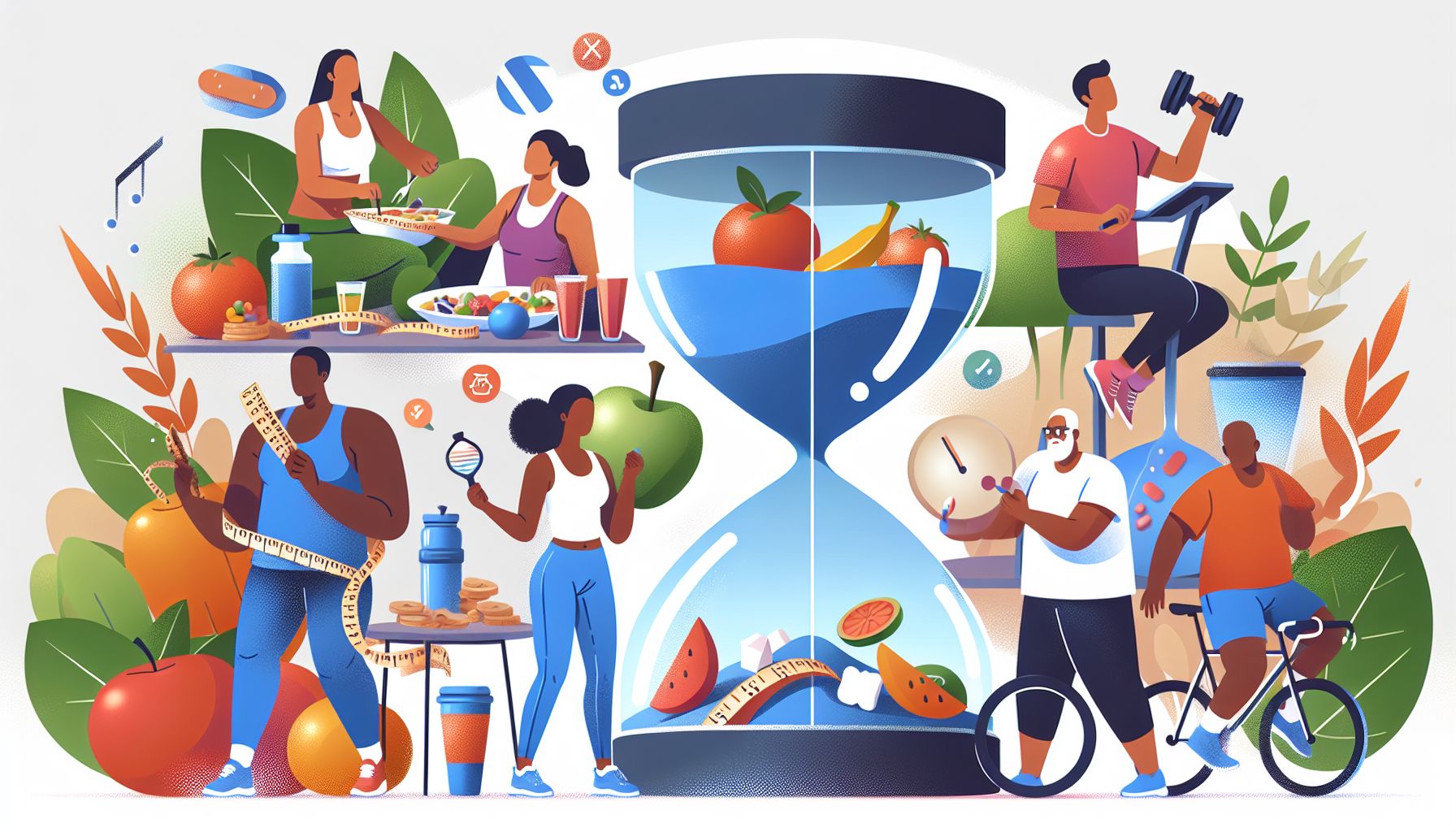
Weight loss is a common goal for many individuals. Achieving it and maintaining a healthy weight requires more than just a diet plan. Diet, lifestyle, and habits play essential roles in long-term weight loss. This article explores how these three components interact to promote lasting change.
Understanding Diet
Diet involves the types of food and drink a person consumes. It is crucial for weight loss. A balanced diet provides the nutrients that the body needs to function properly. It can also help manage hunger and energy levels.
Types of Diets
- Balanced Diet: This includes fruits, vegetables, whole grains, lean proteins, and healthy fats. Eating a variety of foods helps ensure adequate nutrient intake.
- Low-Carb Diet: Reducing carbohydrate intake can lead to weight loss. These diets emphasize proteins and healthy fats, which can help keep you full longer.
- Mediterranean Diet: This diet focuses on whole foods and healthy fats like olive oil and nuts. It offers plenty of fruits, vegetables, and fish, promoting overall health.
Portion Control
Understanding portion sizes is crucial. Eating large portions can lead to overeating. Use smaller plates and bowls to help control portion sizes. This simple technique can significantly impact calorie intake.
The Influence of Lifestyle
Lifestyle choices greatly affect weight loss efforts. Factors like physical activity, sleep, and stress management all play a role.
Regular Physical Activity
Engaging in regular physical activity helps burn calories and improves overall health. Aim for at least 150 minutes of moderate aerobic exercise each week. This can include walking, cycling, or swimming. Strength training is also important. It builds muscle, which can increase metabolism.
Adequate Sleep
Sleep is vital for weight regulation. Lack of sleep can disrupt hormones that control hunger, leading to increased appetite. Aim for 7-9 hours of quality sleep each night.
Stress Management
Stress can affect eating habits. Many people turn to food for comfort during stressful times. Managing stress through exercise, meditation, or hobbies can help prevent emotional eating.
Healthy Habits Matter
Developing healthy habits is essential for long-term success. Small changes can lead to significant improvements over time.
Meal Planning
Planning meals helps make healthier choices. It reduces the chances of impulsive eating. Prepare meals ahead of time to avoid unhealthy options when hungry.
Mindful Eating
Mindful eating involves being conscious of what and how you eat. Focus on the taste and texture of food. Avoid distractions like screens during meals. This practice helps you enjoy food more and can lead to better portion control.
Hydration
Drinking enough water supports weight loss. Sometimes, the body confuses thirst with hunger. Aim for 8-10 glasses of water per day. Drinking a glass before meals can also aid in controlling appetite.
Pros and Cons of Different Approaches
Pros of a Balanced Diet
- Provides essential nutrients
- Supports overall health
- Reduces cravings
Cons of a Balanced Diet
- May require planning and preparation
- Can be harder to follow in social situations
Pros of a Low-Carb Diet
- Effective for short-term weight loss
- Reduces hunger levels
Cons of a Low-Carb Diet
- Can be restrictive
- May lead to nutrient deficiencies
Pros of a Mediterranean Diet
- Promotes heart health
- Sustainable and enjoyable food choices
Cons of a Mediterranean Diet
- Requires access to specific foods
- May involve higher costs
The Importance of Support
Support systems can enhance weight loss efforts. Seek help from family, friends, or support groups. Sharing goals with others can provide motivation. Encourage accountability and celebrate successes together.
Overcoming Obstacles
Weight loss is not a linear journey. It often includes ups and downs. Recognizing potential obstacles is vital for maintaining focus.
Common Challenges
- Plateaus: Weight loss may stall at times. This is normal. Reassess your diet and activity levels if this happens.
- Social Situations: Dining out or attending gatherings can derail progress. Prepare in advance. Eat a healthy snack before events to avoid overeating.
- Time Constraints: Busy schedules can lead to skipping workouts or unhealthy eating. Prioritize health by setting specific times for exercise and meal preparation.
Conclusion
Diet, lifestyle, and habits are deeply interconnected in achieving long-term weight loss. A balanced diet provides the nutrients needed for health, while physical activity and good habits support weight maintenance. Overcoming challenges requires commitment and support.
To learn more about obesity and its impact, visit bma.
For further information on effective diet and lifestyle changes, consider checking reliable resources such as:
Remember, lasting weight loss is a journey. Focus on making gradual changes that you can sustain over time. Celebrate your progress, no matter how small, and stay committed to your health goals.